
A Roth IRA is a retirement account funded with after-tax dollars, from which people usually plan to withdraw funds in retirement, or at least after the age of 59½. The IRS allows you to withdraw your contributions anytime, since you’ve already paid taxes on that money. If you want to withdraw earnings before the age of 59½, though, you must have had your Roth IRA account for five years in order to avoid income taxes and a 10 percent additional penalty. This is known as the five-year rule.
However, IRS rules do allow you to withdraw up to $10,000 of Roth IRA earnings to help with the purchase (or build) of a first home. (Note: Only a first home.) If your Roth IRA is less than five years old, you can still withdraw up to $10,000 in earnings for a home purchase without the penalty, but you will pay income taxes on the amount. This $10,000 exclusion is a lifetime limit, so you can’t do it more than once.
According to IRS rules, a first-time homebuyer is not just someone who has never owned a house before. You also count as a first-time buyer if you haven’t owned a primary residence for at least two years. (If you are married, your spouse must also meet this requirement.)
“If you think you’re going to use money from your Roth to buy your home, understand that you can only borrow from your contributions plus up to $10,000 worth of earnings,” says Derek Sall, founder of the website Life and My Finances and CFO of the Worden Company in Holland, Michigan. “You might have $100,000 in your account, but if you contributed just $20,000, you can only withdraw that $20,000 plus $10,000 of earnings, for a total of $30,000. Further, you have to use those funds within 120 days.”
Should you use a Roth IRA to buy a house?
Just because you can use money from your Roth IRA to buy a home, it doesn’t necessarily mean you should. Remember why you opened your Roth IRA in the first place — as part of your retirement plan. Removing funds from your retirement savings early means there will be less money available to you when you retire. Carefully consider the pros and cons of using funds from a Roth IRA to buy a home, including the following:
Pros;
- It’s tax-free: You can withdraw your contributions from a Roth IRA tax-free at any time, for any reason. If you’ve had your Roth IRA for five years, you can also withdraw up to $10,000 in earnings tax-free for the purpose of buying your first home.
- There are no penalties: Even if your Roth IRA is less than five years old, you can still withdraw up to $10,000 in earnings to buy a first home with no penalty — although you will pay taxes on those earnings.
- You can borrow less: As a first-time homebuyer trying to scrape together the highest down payment you can, a Roth IRA’s flexible rules can help increase the amount you’re able to put down. That means you don’t have to borrow as much for your home loan, which in turn means lower monthly payments.
Cons;
- You lose retirement funds: Any funds you withdraw from your retirement savings for a reason other than retirement means less money when you need it down the road.
- You incur “opportunity cost”: Depending on how long you’ve had your Roth IRA, you may lose significant compound interest when you withdraw earnings. Even if you only withdraw contributions, future compound interest will be less.
- It may be a warning sign: Having to tap your Roth IRA to fund a home may be a signal that you are buying more house than you can afford. If you need to dig into retirement savings to make the purchase, you might want to consider a less expensive home.
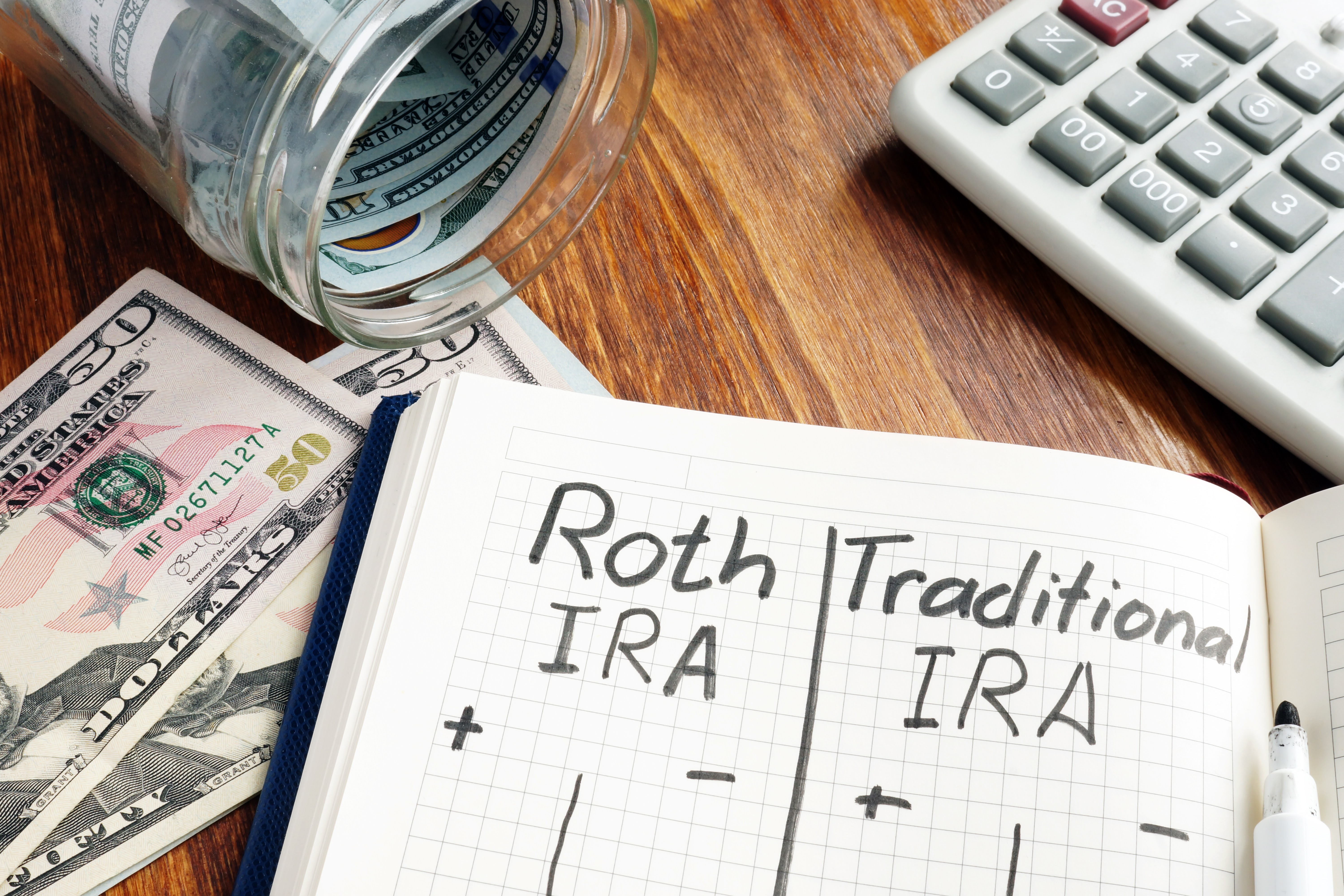
Roth vs. Traditional IRAs
Traditional IRAs also have a home buying exclusion, but using a Roth IRA to fund a first-home purchase is better for two reasons. One, with a traditional IRA your original contributions are made pre-tax, which means you will pay taxes on all money you withdraw. And two, a traditional IRA has a hard $10,000 limit on withdrawals from a for a home purchase. With a Roth IRA, withdrawal of after-tax contributions is unlimited; only earnings withdrawals are capped at $10,000. Source
DRE ID # 01769353
NMLS ID # 394275

No comments:
Post a Comment